
BBQ grills and ovens operate in one of the most punishing environments for any coating. Stainless steel substrates, direct flame contact, grease, and continuous 500°C exposure will quickly destroy conventional powder coatings — they chalk, oxidize, and peel within weeks.
The root cause is simple: most inorganic fillers used in standard powder coatings (calcium carbonate, barium sulfate, talc) start to decompose or lose their bond with the resin matrix well below 500°C. Once the matrix breaks down, oxygen reaches the steel and the coating fails.

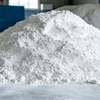
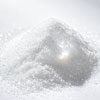
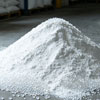
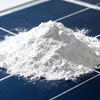
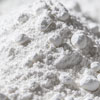
A more reliable approach is to use a low-melting glass powder that melts into a continuous, glassy protective layer during the cure cycle. GT45 is designed for exactly this. With an onset melting temperature around 450°C and a processing temperature near 635°C, GT45 forms a dense, glassy film that physically blocks oxygen from reaching the substrate, while also boosting hardness and adhesion to stainless steel.
GT45 has been validated in real production. One of our customers supplies epoxy-silicone high-temperature powder coatings to oven and grill manufacturers working with 314 and 316 stainless steel, and has incorporated GT45 into the formulation with consistent results.

Selection logic for the GT family:
GT35: suited to 400–500°C service
GT45: the right pick for 500°C and slightly above
GT60 / GT90: required when service temperatures reach 600°C and beyond

A starting dosage of 25–35% by weight works well across most epoxy-silicone systems, though the exact level depends on your flow requirements. Sample testing is recommended, and our technical team can help tune the formula to your specific curing window.


