
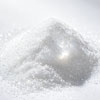
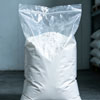
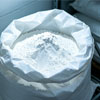
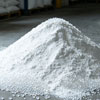
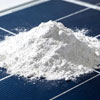
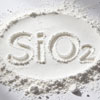
High-temperature coatings resisting 600°C rely on an organic-to-inorganic transition mechanism, rather than high-heat-resistant resin alone. Silicone resin maintains coating integrity from ambient temperature to 450°C. Low-melting glass powder takes over at 450–600°C to form a dense inorganic glass-ceramic protective layer. Proper selection of functional powder is critical for formulation success.
Silicone resin thermally decomposes above 300–450°C and cannot sustain 600°C independently. Ferrous substrates (mild steel, cast iron) form loose, expansive iron oxides at 600–800°C. Oxidation creates internal stress that lifts and cracks coatings. Stainless steel substrates can withstand up to 800°C.

Three core technical pillars:
1. Low-melting glass powder enables secondary film formation once melted, sealing the substrate and blocking oxygen penetration.
2. Powder grade selection guide:
- Aqueous silicone (400–600°C): JY250 low-temperature ceramifiable powder (25–35% loading)
- Boiler exterior (600/800°C): JY250, JY270
- Exhaust pipes & stacks (500–600°C): GT35, GT45
- High-gloss smooth finish (50–60 gloss): GT35/GT50 + JY250 blend
- Powder coating with salt spray requirement: GT35, GT45 (passes 24h salt spray, no cracking)
- Insulating fire-resistant coating: JT260 (≥2000V insulation)

3. Three typical failure modes: weak interfacial bonding, mismatched thermal expansion coefficient, insufficient coating densification.
Tuning additives are available for common defects: flame retardants for low-temperature flame resistance; PGT360/PGT460 for soft/powdery coatings; GT18 & D100 nucleating agents for cracking.
Recommendation workflow: Confirm substrate type → confirm coating system (aqueous silicone: JY series; solvent-borne silicone & powder coating: GT series) → define extra requirements (salt spray, gloss, insulation) → run lab trials before mass production.
For 600°C coating formulation support, contact our engineering team.Mail to service@anypowder.com.


